

The Fifth Trauma Response: The Incubate Response (AuDHD Research)
Published October 10, 2025 (21 days before deliverance)
By Raya Faith
Survivor · Practical Theologian · AuDHD Researcher
A lived scholar of faith and divine healing — integrating biblical wisdom, neurodivergent insight, and trauma recovery to illuminate pathways of embodied resurrection.
This page records chronic collapse inside captivity
I could not escape.
I stayed devoted to the ones who held me.
I loved them to death.
I believed in Jesus’ rescue before I was freed.
Before my threefold chord was restored —
And the braid dissolved.
This is the language I had at the time to describe
being caged while drowning inside.
The Captivity Lens, embodied.
The following was timestamped October 10th, 2025.
21 days before Jesus would resurrect me from the cage and end the ocean.
For those who receive through voice and body as well as mind, here is the full longform teaching on The Incubate Response — spoken word for word.
This is not a summary or commentary; this is the teaching as lived and offered from the sanctuary itself.
The written teaching continues below — for support, reflection, or deeper study in silence and stillness.
This page introduces a trauma-response framework first identified through my lived AuDHD experience and theological reflection. It explores how endurance, empathy, and sacred stillness converge in survivors of chronic captivity dynamics to form a unique neurobiological and spiritual pattern of healing.
The Incubate Response originates in the autistic system — the sacred instinct to preserve life, meaning, and connection.
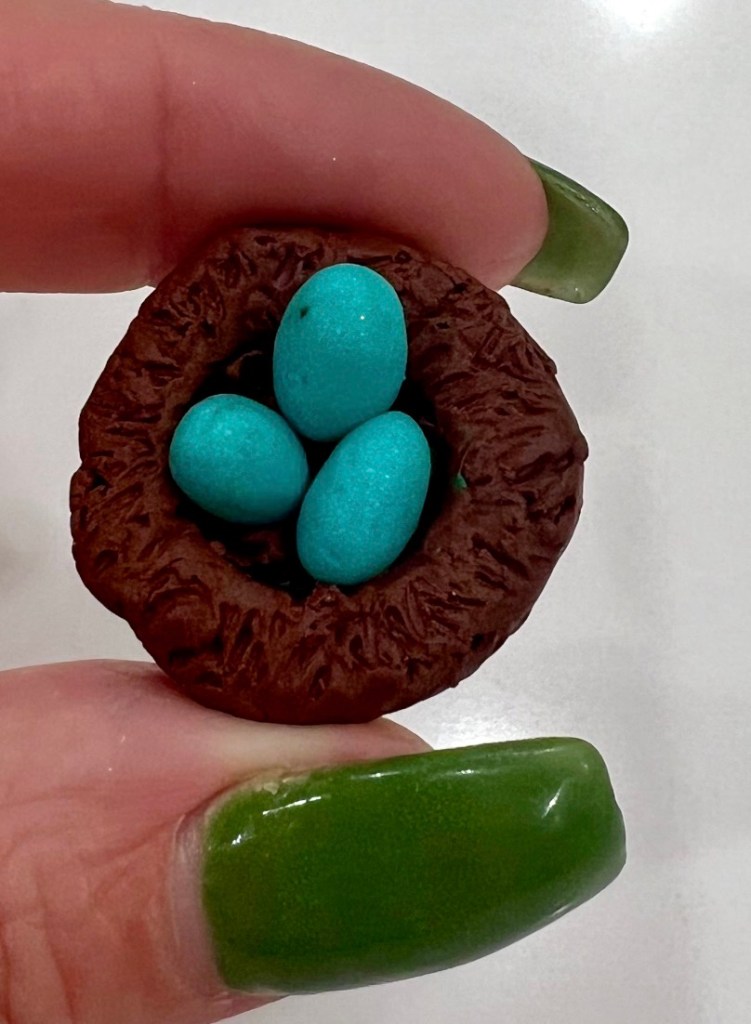
From childhood, this instinct compels the survivor to protect what feels precious: the “egg.”
But under captivity, the egg is a false one — an illusion created by the predator or toxic system.
It carries the shape of love but none of its warmth. The autistic devotion shelters this false egg with loyalty, believing it to be real.
you,
you are not foolish. You are not behind.
The ADHD circuitry then floods the process with motion and endurance, circling endlessly, feeding the illusion with effort, attention, and hyperfocus — determined to bring life where there is only emptiness.
The autistic side holds the egg.
The ADHD side keeps trying to hatch it.
And the result is decades of empathic captivity.
Healing begins when the survivor recognizes the false egg for what it is — an implanted devotion that served the abuser’s architecture.
It must be released and purged. Only then can the true egg form — the authentic seed of self and inner child that was never allowed to exist.
This realization propels the healing process because the survivor finally understands:
it was never their capacity to incubate that was broken, and it was never their endurance that was defective.
Their loyalty, patience, and infinite care were never the problem — only the direction.
What once flooded outward can now flow inward.
When this redirection happens, healing accelerates beyond what most therapeutic or medical frameworks predict.
The same neurobiological machinery that sustained survival now fuels regeneration.
The autistic devotion becomes sacred stillness.
The ADHD drive becomes living propulsion.
Together, they create a self-healing ecosystem —
a return of the ocean to its rightful shore.
The Fifth Response — Incubate: The Ocean, the Egg, and the Rebirth
Before sacred stillness can come, the survivor must face what she has been incubating all along.
yet,
you are not behind.
For years — sometimes decades — she has held something that was never hers to keep alive.
What she believed was love was often a false egg: a lifeless construct shaped by those who could not return her devotion.
Yet, her autistic devotion and ADHD endurance made her hold it close — circling, warming, protecting — believing that if she only loved hard enough, it would hatch into real connection.
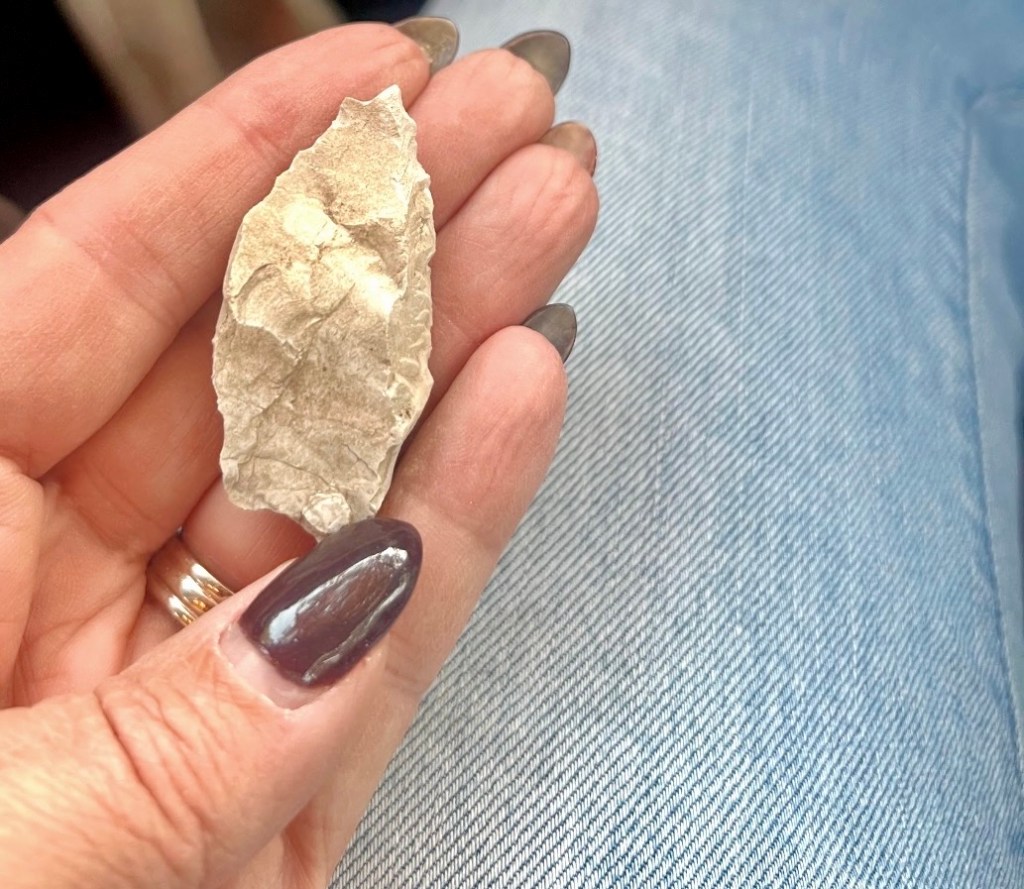
But this was not life; it was a stone egg, a cold shell of captivity.
And beneath her, the ocean churned — waves of grief, hope, and terror rising and collapsing inside her body, the same body that refused to let go.
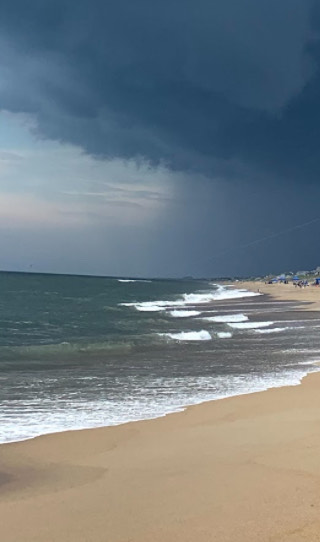
Each re-traumatization was another storm, another flood within the cage, and still she stayed — not because she was weak, but because she was wired to preserve life at all costs.
It was the holiest instinct turned inward, trapped in a loop of love without landing.
When the survivor finally dares to set down that false egg — the one she’s guarded like her own soul — the body trembles.
At first, the release feels like betrayal, as though she’s abandoning the very thing that defined her faithfulness.
But as her hands open, something extraordinary begins to form within her — a new egg, luminous and tender: the inner child’s first safe home.
The ocean, once a prison, becomes a cradle; its waves no longer drown her, but begin to rock her gently toward rebirth.

In captivity, the autistic side’s instinct to protect and nurture — the penguin effect — was fused with fear.
She believed that if she could just keep loving enough, waiting enough, believing enough, the frozen would thaw, the mask would hatch, and love would finally live.
But what she was guarding was not merely frozen — it was stone.
A cold, heavy shell of captivity, absorbing every drop of warmth she poured into it.
Beneath its surface, the false egg was not only empty but poisoned — releasing its toxins slowly, silently.
Each act of devotion fed its decay until her own vitality began to fade.
The egg itself was killing her, contaminating her from the inside out.
The very environment became a toxic wasteland — love turned corrosive, hope turned venomous — yet still she stayed, believing her endurance could redeem it.
She mistook dying for devotion.
But the egg she was guarding was not life — it was a false egg, a mask that could never hatch.
Every act of devotion poured warmth into a shell that only reflected her own light back at her.
This is the tragedy and brilliance of the incubate response: the divine instinct to protect life redirected toward death.
When the survivor finally recognizes the false egg for what it is, the body trembles —
because release feels like betrayal at first.
She has kept that egg warm for years, sometimes decades, believing it was love itself.
Yet when she lays it down, something miraculous happens.
Out of the grief and emptiness, the body begins to form a new egg — not for the predator, but for the inner child.
This egg holds her truest life — her innocence, her imagination, her unbroken capacity to love.
The autistic side resumes her original purpose: holding this new life steady, tender, and safe.
The ADHD side floods it with warmth and vitality — the same endurance once used to keep predators alive is now used to keep herself alive.
Together they birth the beginning of embodied healing:
a love that no longer leaks outward toward danger but circulates inward toward restoration.
Sacred Stillness and the Freedom to Sail and Soar

When the ocean of flooding finally quiets, the survivor meets a sensation never before felt — peace without collapse.
For most of her life, the body contained an impossible paradox:
an endless tsunami trapped inside a cage.
It was both a prison and a storm — motion without freedom, depth without direction.
Each re-traumatization flooded the cage again, higher and harder, until even breath became unbearable.
She lived in the physical sensation of drowning without dying — lungs filled with panic, heart pounding against the bars, desperate for reprieve.
Death often appeared as the only imagined escape.
This is not metaphorical drowning. It is the embodied reality of captivity —
terror trapped within love, love trapped within terror — a nervous system imprisoned inside its own ocean.
Now, as the cage dissolves, the body begins to rest — not because it has given up, but because it has finally been released.
This is sacred stillness — the nervous system’s first experience of safety that does not depend on control.
The autistic side anchors here, rediscovering its original gift: the ability to be without vigilance.
Meanwhile, the ADHD side — long bound to motion through panic, pursuit, and performance — discovers freedom to sail and soar.
She learns to ride the waves instead of being pulled by riptides, to catch the currents of exhilaration without fear of drowning.
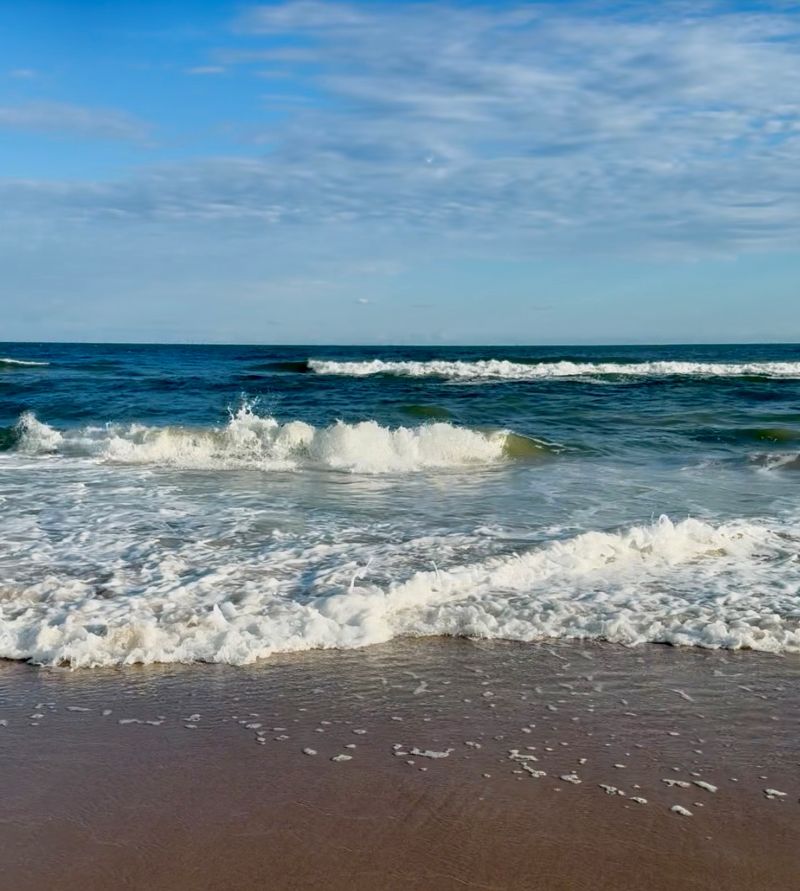
Movement becomes play instead of survival.
Exploration becomes expression.
Creation becomes communion.
And in this synergy — the stillness and the freedom — she learns to attach to herself.
No longer searching for surrogates, no longer mistaking captivity for love,
she begins to play again —
this time with Real Jesus, who had kept her safe all along.
The same Presence who breathed life into her when she wanted to die,
now breathes within her —
a living rhythm of resurrection.
Together they form the full circle of regulation —
the stillness to be, the freedom to sail, and the courage to soar.
This marks the beginning of embodied life — where both sides of the AuDHD system coexist,
one steady and one expansive, each honoring the other’s rhythm in living, sacred peace.
When the Pebbles Lost Their Shore
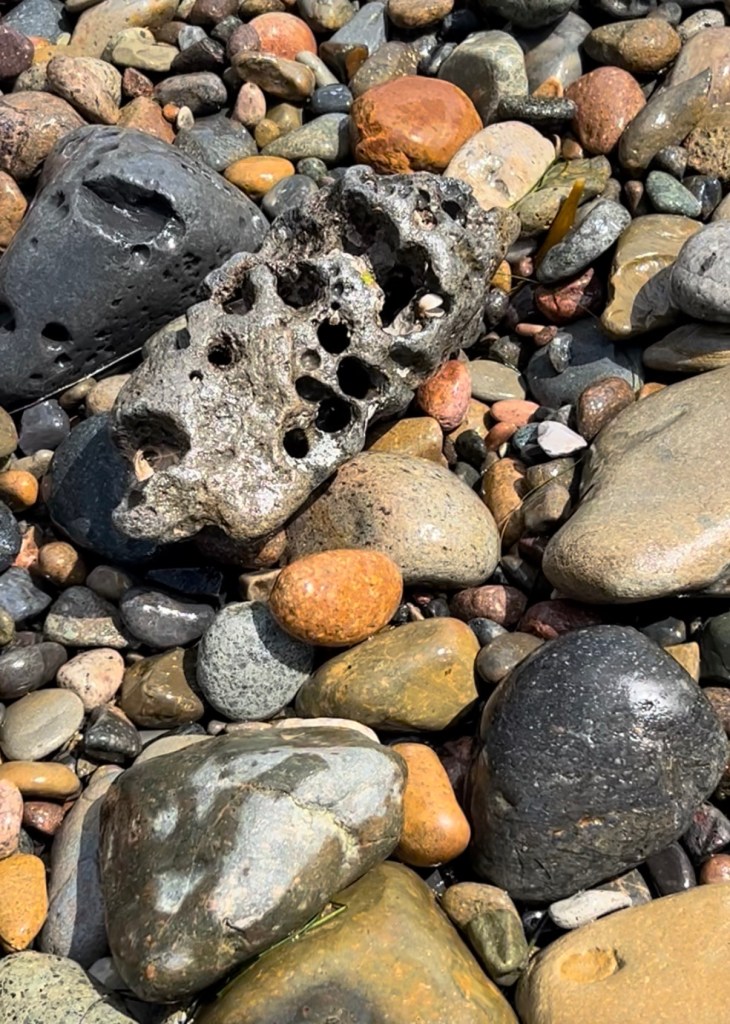
But the shore was gone.
There came a time when I had no one left to pebble for. The little gifts, the gestures, the offerings of presence — they had no shore to land on. It felt like death, like dropping stones into an ocean that would never echo back. This more than anything filled my ocean, for the autistic side of me had always found meaning in the offering itself. To pebble was to love, to remember, to honor. When there was no one left to receive them, I felt as though love itself had died.
When the Ocean Found Its Shore
In time, the flooding quieted. The waves that once crashed in grief began to move with rhythm and grace, drawn back toward their Source. What once drowned me became the water that carried me home.
This was not the calm of numbness or surrender — it was sacred stillness. The moment the body no longer mistook motion for safety, and the spirit no longer mistook suffering for devotion. The ocean that had once raged inside me now knew where to rest.
Each pebble — once a relic of loss — became a testimony of restoration. My love no longer reached for the unreachable. It flowed in rhythm with Real Jesus, who had been holding the shoreline all along.
Here, devotion is no longer survival. It is communion — a living current between the child, the woman, and the One who kept them both alive.
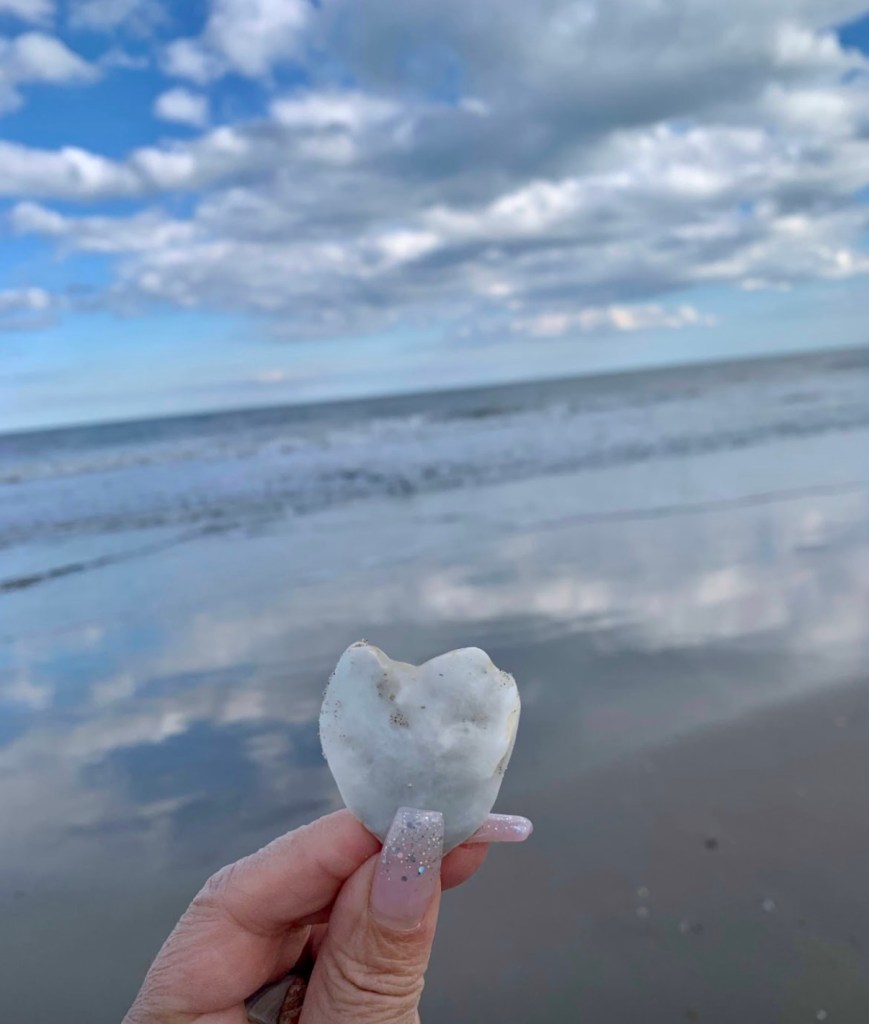
returned to its true home.
The Threefold Cord Restored
In the beginning, I thought the threefold cord had been severed — that what God joined together through love and faith had unraveled beyond repair. But it was never gone. It was being rewoven.
Now I see the strands clearly: my inner child, my adult self, and Real Jesus — bound not by obligation, but by truth. The child holds wonder. The woman holds wisdom. And Real Jesus holds them both.
This is the threefold cord reborn — no longer a doctrine recited, but a living union embodied. It is the Scripture made flesh in healing form: A cord of three strands is not easily broken — because it was never broken at all. It was being made whole.
Pebbling: Love’s Quiet Rebuilding
Pebbling is another quiet manifestation of the penguin instinct — the same sacred impulse that once kept us incubating false eggs in captivity. Where incubation was about keeping love alive through endurance, pebbling is about offering love through creation. It is the autistic heart’s way of building connection one small gesture at a time — crafting, gifting, making beauty as proof of devotion. In healing, pebbling becomes restoration: each act of creation is no longer given to the cold shell of captivity, but to the warmth of the inner child and the Real Jesus who never stopped gathering the stones.
Mama Penguin and Baby Penguin
Before I ever knew any of this, when my son was young, we used to play a game called Mama Penguin and Baby Penguin.
I would pretend to feed him, and we’d get really silly, sliding our arms like wings and laughing until we couldn’t breathe.
It was our favorite game — simple, tender, alive.
Looking back, I see that even then, my wiring was whispering what I had not yet learned to name.
Even then, I see now that our wiring never leaves us — we carry it wherever we go.
In captivity, it kept me alive.
In motherhood, it became love in motion.
The same pathways that once guarded a false egg began to cradle real life — laughter, trust, and play.
What was once endurance became nurture.
What was once survival became creation.
I only realized at 48 that my own wiring was neurodivergent — and discovering it made my whole life make sense.
My neurodivergent self discovery also makes me have so much more compassion for the AuDHD inner child who deserves my love and all the pebbles I can find.
This is the quiet redemption of neurodivergent design:
the autistic devotion that steadies, the ADHD warmth that moves,
both finally free to love as they were always meant to.
A Prayer for AuDHD Survivors 
To every AuDHD soul who has felt out of place —
who has tried to fit into neurotypical trauma maps that could never hold your brilliance,
who has been mislabeled, misunderstood, or made to feel too much or too little —
may this be your reminder that you are not the mistake.
You were never meant to fit their patterns.
You were born with a different rhythm — one that sees, feels, and loves with holy precision.
If the world, the church, or even therapy itself has failed to make room for your lived experience,
may this work bring you home. Home to yourself.
May it show you that your responses were not pathology,
but the exquisite intelligence of a system built to survive what should have been impossible.
May you find rest in sacred stillness,
freedom in your own sails,
and safety in the God who never left you.
You belong here.
You always have.
You are already home.
With Love,
Raya Faith
Further Reading — The Evolution of the Incubate Response
This reflection continues in The Evolution of the Incubate Response, which expands the original framework through the emergence of coherence, the braid, and the spectrum of fire and ocean responses.
It explores how the body’s survival intelligence transforms from containment into clarity — and how captivity-informed care can honor that transformation without intrusion.
Read The Evolution of the Incubate Response →
Publication & Authorship Note
Original theory timestamped, documented, and published by Raya Faith on RayaFaith.blog — The Gentle Return, 10/10/25
This essay is part of an ongoing lived-theological and neurodivergent trauma research project, exploring The Incubate Response as a fifth trauma adaptation unique to AuDHD survivors.
All concepts, frameworks, and language contained herein are the original intellectual property of the author, first established and timestamped through this publication.
For now, collaboration and dialogue are paused during the author’s ongoing nervous-system repair and recovery process.
Future contact and research partnerships may be considered once stabilization is complete.
Faith, R. (2025). The Incubate Response: The Ocean, the Egg, and the Rebirth. RayaFaith.Blog.
Retrieved from https://rayafaith.blog
(All identifying details withheld for privacy and safety.)
Archival Statement
The writings and reflections housed within The Incubate Response framework are part of the original body of work authored by Raya Faith, exploring the fifth trauma adaptation unique to AuDHD and captivity-informed survivors — the sacred instinct to keep love alive under pressure.
This body of work bridges lived theology, neurodivergent embodiment, and faith-based trauma recovery, offering language for what was once unnamed: the survivor’s divine endurance through containment, transformation, and re-emergence.
All language, concepts, and frameworks contained herein — including The Incubate Response, Captivity-Informed Trauma, and Neurodivergent Survival Adaptations — remain the intellectual and creative property of Raya Faith (2025).
With reverence for the One who sustains life and love through the body, mind, and spirit.
Raya Faith
 Raya Faith | The Gentle Rise Survivor Sanctuary