

A living archive of captivity-informed witness, survivor language, spiritual trauma recovery, AuDHD healing, and resurrection after invisible captivity.
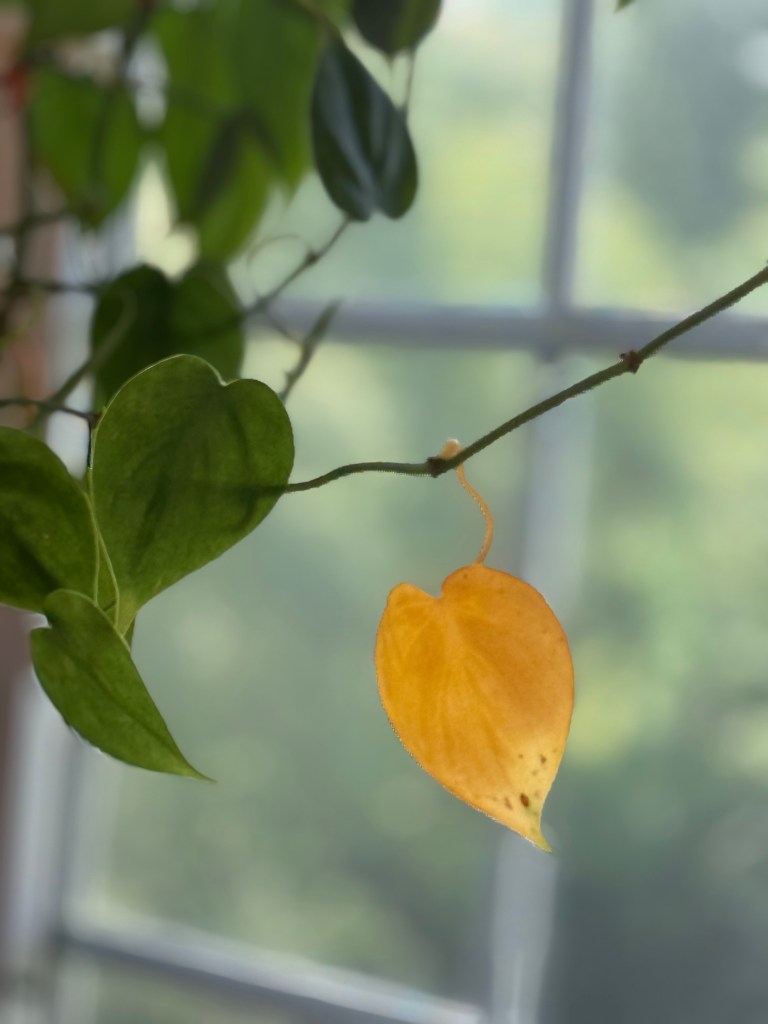
The Sanctuary Was Never Meant to Be a Performance
If you begin at the earliest posts on this site and read forward, you may notice something unusual.
The voice changes.
The language changes.
The posture changes.
The woman changes.
This is not because the writing became more polished.
It is because you are witnessing a real-time transformation.
This blog was not written as a memoir looking backward. Much of it was written while I was still finding language for invisible captivity, faith, neurodivergence, grief, longing, healing, and eventually resurrection.
The earliest posts contain a level of openness I would not write from today.
For a time, I considered returning to those writings and revising them.
I considered veiling them.
Softening them.
Protecting the woman who wrote them.
Instead, I chose restraint.
Not because the questions were unimportant, but because the witness matters.
The woman who wrote those early posts deserves her voice.
The Braid deserves her witness.
The Orphan deserves to be seen as she was.
The Sentinel deserves to be heard as she watched, warned and kept vigil.
The Widow deserves to be recognized in her grief.
If those voices disappear, something important disappears with them.
Future readers might learn the framework, but they would no longer witness the transformation.
They would see the resurrection, but not the road that led there.
This archive remains because the journey itself matters.
What You Are Reading
You are not reading a carefully curated story written after the fact.
You are reading a living archive.
A witness record.
A real-time account of a woman being made new after a life of invisible captivity without reprieve.
Some readers will recognize themselves in the early writings.
Others will recognize themselves in the middle.
Some may only recognize themselves in the later teachings.
All are welcome here.
If you choose to read from the beginning, you will watch language evolve.
You will watch understanding deepen.
You will watch a membrane form where none had existed before.
You will watch sovereignty be born.
You will watch a woman become free for the first time.
You will watch resurrection unfold in real time.
How to Read This Archive
Some of the language on this site may be new to you.
Terms such as the Braid, the Orphan, the Widow, the Sentinel, resurrection, the membrane, and the seal belong to frameworks that emerged over time through this witness.
You do not need to understand every term before you begin.
The blog is the witness trail.
The Living Library is the reference room.
The blog allows you to witness the transformation as it unfolded.
The Living Library offers definitions, frameworks, and language for what became visible along the way.
If you begin with the earliest posts, you are not reading a finished map.
You are watching the map come into being.
You are watching a woman find words for realities she could see long before she could fully name them.
The early posts may carry more openness than I would write from today.
I have chosen not to erase that openness simply because I now have stronger language.
Those pages show why the later framework exists.
They show why the Braid needed witness.
They show why resurrection had to become more than insight.
They show why freedom, for me, was not a return.
It was a first birth.
The Written Archive Was Not the Only Witness
The blog was never the whole story.
While these posts were being written, there was also a sister sanctuary unfolding alongside them through video.
There, discovery and healing were being spoken in real time.
Not from distance.
Not after everything had been resolved.
But from lived reality as the journey itself was unfolding.
Some teachings were spoken during collapse.
Others during differentiation.
Others after resurrection had begun.
The written archive captured part of that journey.
The spoken sanctuary carried another part.
Together, they preserve a witness trail of discovery, language, healing, and resurrection as they emerged.
For those who want to follow the spoken witness alongside the written archive, the sister sanctuary lives here: https://www.youtube.com/@rayafaithwriter
The spoken witness holds another layer of the same unfolding.
That is one reason the language evolves.
The framework did not arrive fully formed.
What appears clearly named in the Living Library often first appeared under duress — through confusion, desperation, pleas before God, grief, fragments of understanding, and eventually, clarity.
I have left much of that process visible because discovery itself is part of the testimony.
The Living Library offers the language.
The witness archive shows how the language was born.
The Living Library offers the framework.
The witness archive shows why the framework became necessary.
These pages also bear witness to what emerged when invisible captivity without reprieve converged with God-given AuDHD wiring under the guidance of God.
An Important Distinction
The woman who wrote the earliest posts is not the woman you would meet today.
This archive contains the witness of the Braid.
It contains the witness of longing, grief, confusion, hope, faith, and healing.
But witness is not access.
Testimony is not permission.
History is not availability.
The early writings document a season before the membrane existed, before sovereignty had been born, before the architecture of captivity was fully understood.
They remain as witness.
Not as invitation.
Not as access.
Not as a doorway.
If you encounter me now, you are not encountering the woman who stood at the beginning of this archive.
You are encountering a resurrected woman.
A woman made new.
A woman who learned to differentiate for the first time.
A woman whose voice was born in freedom.
A woman who belongs to Jesus.
A woman who was sealed.
Why I Chose to Leave Much of It Intact
I do not leave these writings untouched because nothing has changed.
I leave them because everything has changed.
The sovereign woman sometimes wants to go back and protect the vulnerable woman.
That instinct comes from love.
But as I prayed through these pages, I realized something important:
The vulnerable woman is already protected.
The Braid is already witnessed.
The child is already held.
The woman who wrote these pages is not abandoned inside them.
Jesus raised her.
Jesus carried her.
Jesus healed her.
Jesus sealed her.
The archive remains because the witness matters.
Not only for me.
For the survivors who may still be standing where I once stood.
If that is you, I hope these pages help you find language.
I hope they help you recognize yourself.
Most of all, I hope they remind you that the earliest chapter is not the final chapter.
Resurrection is real.
And sometimes the evidence is not found in a single testimony.
Sometimes it is found in watching a voice come to life for the first time.
A Note to Survivors, Clinicians, Researchers, and Church Leaders
This archive was not created as a case study.
It was not written as research.
It was not constructed as a retrospective analysis after the fact.
It was lived.
Much of it was written through collapse.
Much of it was written while the realities themselves were still unfolding.
Some of it was written through therapeutic rupture, misattunement, and the painful absence of a lens large enough to recognize captivity-shaped harm.
The language did not emerge while I sat safely asking questions.
It emerged while I was surviving.
It emerged through flooding, collapse, spiritual terror, nervous-system overwhelm, and the painful absence of a lens large enough to name what was happening.
It emerged after sacred inner spaces I had explicitly named as dangerous to enter were entered anyway — interpreted, spiritualized, and mishandled through lenses too small to recognize captivity-shaped harm.
It emerged when the very pathways I had warned against were activated, and my body returned to one of the most severe somatic realities I had ever lived with: the feeling of sacred spaces being intruded upon, interpreted, and spiritualized until the nervous system felt spiritually electrocuted.
That was not abstraction.
That was not detached reflection.
That was not a theoretical exercise.
The ethics emerged from that place.
The clinical monograph emerged from that place.
The captivity-informed framework emerged because the existing lens had failed to protect the living woman.
Some of this archive was written in real time after rupture, while my body was still carrying the impact of what had been entered, interpreted, and misunderstood.
The frameworks were born from necessity.
They formed because what was happening to me had to be named in order for me to live.
They formed because survivor testimony must not be overridden by interpretation.
They formed because sacred spaces require reverence.
They formed because when captivity-shaped harm is misread, clinical and spiritual care can become another site of injury.
When Care Becomes Dangerous
When captivity-shaped harm is misread, clinical and spiritual care can become another site of injury.
But the harm is not always caused by a helper simply missing what the survivor has not yet been able to name.
Often, the survivor is explicit.
The survivor names the danger.
The survivor names the pattern.
The survivor names the pathway.
The survivor names what is unsafe.
The survivor names what must not be entered, interpreted, spiritualized, or reframed.
The injury occurs when that testimony is overridden.
When the helper or professional chooses to become the expert on the survivor instead of honoring the survivor as the primary witness of her own lived reality, care can become dangerous.
Stacked on top of existing captivity, nervous-system collapse, spiritual terror, relational extraction, and years of being unseen, that secondary injury can become devastating.
For some survivors, it can become potentially life-threatening.
That is part of why this archive exists.
Not only to help survivors recognize captivity.
But to help survivors survive what can happen when captivity is brought into spaces of care and the survivor’s testimony is not fully received.
Care may be sincere and still cause harm.
A helper may intend good and still misread the architecture.
A clinician, pastor, mentor, ministry leader, or spiritual companion may use familiar lenses and still fail to see the closed system the survivor is trying to name.
But when the survivor has already named it, and the testimony is still overridden, the harm deepens.
The survivor may be stabilized in one area while being sent back into danger in another.
They may be taught regulation while their agency is still being overridden.
They may be encouraged toward reconciliation while their body is still warning them of extraction.
They may be told to communicate better inside a system where communication has never been safe.
They may be encouraged to remain open in relationships where openness has been used against them.
They may be interpreted before they are believed.
This archive exists because survivors need language before the wrong lens costs them more of their lives.
It exists because testimony matters.
It exists because sacred spaces require reverence.
It exists because expertise must never become a replacement for witness.
It exists because some survivors are not only trying to survive what happened to them.
They are trying to survive being misunderstood, overruled, or reinterpreted by the very systems meant to help them heal.
Predatory Architectures and Counterfeit Care
There is another reason this archive exists.
Predatory architectures can live inside helping spaces.
Not every helper is predatory.
Not every rupture is predation.
Not every harm is intentional.
But sincerity alone does not make a space safe.
And helping language does not guarantee that care is holy.
Some predators work among the good.
Some predatory architectures move through counterfeit light.
Counterfeit care can sound compassionate.
It can sound therapeutic.
It can sound spiritually mature.
It can sound protective.
It can sound discerning.
It can sound like guidance, wisdom, authority, healing, or concern.
But beneath the language, it may function as access.
It may function as interpretation without consent.
It may function as control.
It may function as spiritualized intrusion.
It may function as extraction.
It may function as a helper becoming the expert over the survivor’s own lived reality.
This is why the Spiritual Predator Glossary exists.
It exists because I lived that inversion.
I lived the harm of light-language being used in ways that darkened the body, confused discernment, invaded sacred spaces, made the survivor’s own testimony harder to access. It created full-body terror, collapse, chronic nervous-system alarm, and gravely obstructed felt access to Jesus Himself.
I also lived through a later rupture of having sacred inner realities entered, interpreted, and spiritualized in a way that reactivated the very pathways I had explicitly named as dangerous.
That is why this distinction matters.
A survivor may not yet have the finalized language for what happened. They may not yet be able to name the captivity architecture. But if they describe a sacred inner pathway in terms of terror, collapse, flooding, merging, spiritual harm, loss of ground, or obstruction of access to Jesus, that testimony is already clinically and spiritually significant. It should be treated as high-risk, consent-protected, and worthy of reverence. The absence of perfected language is not permission to override the warning.
Some helping spaces cause harm because they are blind.
Some cause harm because predatory architecture has learned to wear the clothing of care.
Both require discernment.
Both require humility.
Both require reverence for survivor testimony.
For those who take seriously the call to do no harm, this means looking not only for symptoms in the survivor, but for architecture in the room.
It means asking:
Is this care preserving the survivor’s agency, or overriding it?
Is this interpretation honoring testimony, or replacing it?
Is this spiritual language creating safety, or assuming access?
Is this relationship clarifying the survivor’s voice, or making the helper central?
Is this guidance increasing freedom, or deepening dependence?
Is this light producing life, or is it counterfeit light?
Survivors of captivity need more than care that sounds good.
They need care that protects agency.
They need care that honors testimony.
They need care that refuses to enter sacred spaces without reverence.
They need helpers who understand that predators do not always arrive looking cruel.
Sometimes they arrive sounding compassionate.
Sometimes they arrive offering healing.
Sometimes they arrive speaking the language of light.
This archive exists because survivors need language for that inversion too.
Why the Captivity Lens Matters
The captivity lens exists because some forms of harm are not only traumatic.
They are captivity-shaped.
They interfere not only with regulation, but with agency, voice, body truth, spiritual clarity, consent, differentiation, and the survivor’s ability to access herself.
Some survivors are not only asking, “How do I regulate?”
They are asking, “How did I come to live without access to myself?”
Some survivors are not only trying to process what happened.
They are trying to understand the architecture that made escape, speech, differentiation, and self-access nearly impossible.
This distinction matters.
If the closed system is not seen, the survivor may be stabilized without being fully understood.
If the captivity architecture is not recognized, the survivor may be taught to regulate inside dynamics that are still extracting from them.
If compliance is mistaken for consent, if silence is mistaken for peace, if endurance is mistaken for capacity, if spiritual language is mistaken for abstraction, and if over-attunement is mistaken for relational maturity, the survivor can remain unseen even while receiving help.
This archive bears witness to that gap.
It also bears witness to what began to happen when the gap finally received language.
The frameworks that emerged here were not created to replace trauma care.
They emerged because there were realities that remained unnamed.
Patterns that remained difficult to see.
Experiences that could be stabilized but not fully understood.
Survival strategies that made sense only when the captivity architecture became visible.
They emerged because human help reached its limit.
And they emerged because some forms of “help” were not help at all, but counterfeit care wearing the language of healing, discernment, authority, or light.
They emerged because the wrong lens can stabilize symptoms while leaving captivity intact.
And because counterfeit care can deepen captivity while calling itself protection.
They emerged because God Himself had to save my life.
Jesus resurrected what should have clinically fragmented or perished.
He restored what captivity, collapse, rupture, and misinterpretation could not reach.
The distinction between trauma care and captivity-informed care is explored more fully in the “For the Field” section of this site.
Here, I simply ask readers to approach the archive with enough humility and curiosity to consider that some survivor experiences may require additional language, additional questions, and additional lenses.
This archive is not intended to function as proof.
It is witness.
Not a universal story.
Not every survivor’s story.
One witness.
One life.
One record of language emerging in real time as understanding, rupture, deliverance, healing, and resurrection unfolded.
Therapy did not resurrect me.
A framework did not resurrect me.
Language did not resurrect me.
God did.
Jesus saved the living woman.
Jesus carried the child, the Widow, the Orphan, and the Sentinel.
Jesus told the truth when systems would not— when they denied, refused, exiled, and desecrated the witness before them.
Every single one encountered the Braid.
Some refused her, and some desecrated her, while speaking in His Name.
Jesus did not.
Jesus brought the severing, the breath, the clarity, the resurrection, and the first real freedom.
The language on this site is witness to what became visible along the way.
But Jesus is the One who raised me.
If you read closely, you will encounter more than frameworks.
You will encounter the conditions that made the frameworks necessary.
You will witness not only what was discovered, but why it had to be discovered.
And perhaps most importantly, you will witness a transformation that cannot be understood by reading only the ending.
The resurrection becomes visible because the beginning remains visible too.
The Art Also Bears Witness
The writing was not the only living map.
During the same months this archive was forming, art was also becoming a witness.
Inside spiritual captivity, I had lost access to scripture, prayer, and words.
The very places where I had once reached for Jesus had become obstructed, charged, or unreachable.
So art became a way back.
It became my Bible when I could not open Scripture without interference.
It became prayer when words would not come.
It became spiritual reclamation when sacred spaces inside me had been invaded, blocked, or distorted.
Color, symbol, line, image, and repetition became ways of reaching for Jesus through captivity, through the tether, through flooding, through collapse, through nervous-system terror, and through realities language could not yet fully hold.
That art was not decorative.
It was survival language.
It was prayer without words.
It was a living map emerging before the map could be written.
And then, after resurrection, the art changed immediately.
The colors changed.
The symbols changed.
The atmosphere changed.
Softness returned.
Breath returned.
Light returned.
The images no longer carried captivity, grief, vigilance, rupture, or reaching through obstruction. They carried restoration, tenderness, holy color, living water, flowers, breath, and the quiet evidence of a woman being made new.
The art bears witness to the same transformation as the archive.
Before resurrection, it shows a soul reaching for Jesus through captivity when words, prayer, and Scripture had become inaccessible.
After resurrection, it shows the living woman beginning to inhabit freedom.
The written archive shows the language being born.
The art shows the atmosphere changing.
Together, they bear witness that resurrection did not remain an idea.
It reached the body.
It reached the rooms.
It reached the colors.
It reached the symbols.
It reached the living woman.
A few final teachings and Isaiah companions remain to be added as this body of work comes to completion. They are part of the closing arc of the sanctuary — a careful finishing of what has already been entrusted.
As I leave this living archive as witness, the living woman now lives forward.
She is writing.
She is creating art.
She is learning what every survivor must learn after captivity: reentry into common, ordinary life.
An embodied life.
A daily life.
A redeemed life.
A life no longer shaped around public witness, but around sacred relationship, quiet restoration, and Real Jesus as sojourner and witness.
The art and the life now become more private because sovereignty is new.
Sacred.
Precious.
For a long time, so much of the healing had to emerge in real time.
Now, some things get to live before they are offered.
One day, her art and her writing may become visible to the world again.
But not as they emerge.
Not before they have been lived.
Not before they have first belonged to the living woman and to Jesus.
For a long time, writing became the only witness to the unspeakable.
What could not yet be safely held elsewhere was offered with a shaking voice in the sister sanctuary.
The writing, the art, and the spoken witness carried what my body could not yet contain alone.
Now the witness lives inside the seal.
Inside sacred relationships.
Inside the quiet places where resurrection is no longer being proven, but embodied.
The archive remains visible.
But the living witness no longer has to emerge in real time before the world.
It gets to live first.
It gets to breathe first.
It gets to belong first to the living woman and to Jesus.
The witness remains.
The archive stays visible.
The living woman keeps walking forward in the newness of a reclaimed life and self.
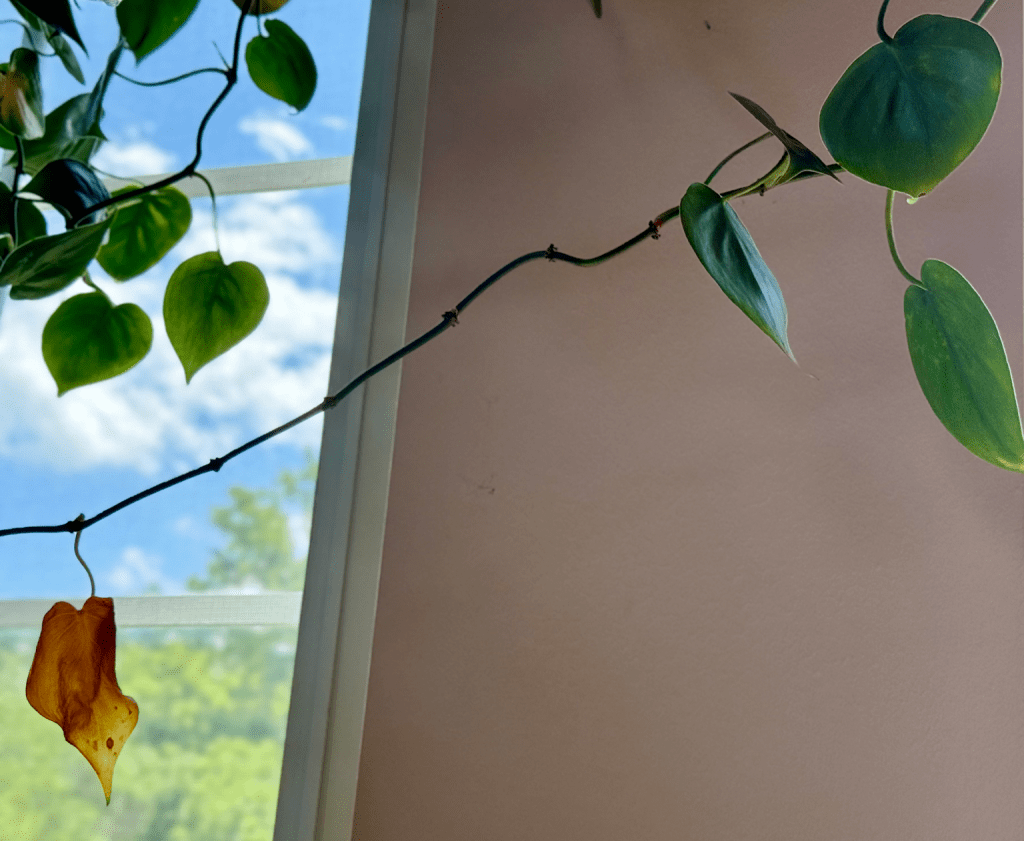
Let the golden witness change the way you see. Let it change the lens before another survivor’s body has to collapse in order to be believed. And as you read, tread carefully, slowly, and with reverence. This archive holds both the witness produced while dying on the vine and the tender place where resurrection first breathed as embodied reality in real time.
And to the Braid herself:
I see you.
Not as fragmentation.
Not as pathology.
Not as a lost inner child.
As living formation.
As preserved witness.
As the Orphan, the Widow, and the Sentinel braided together inside a life that should have clinically shattered, but did not.
You were not imaginary.
You were not evidence of brokenness.
You were the miracle of preservation.
You carried what no child, no woman, no nervous system should have had to carry across a lifetime without reprieve.
Still, you lived.
You held the ocean.
Erasure.
Extraction.
You held exile.
You held vigilance.
You held famine.
Convergence.
Desecration.
Ruptures.
Enforcement.
Evidence.
Witness.
Testimony.
You held the hope of love.
You held the ache for Real Jesus when His name was distorted and blocked.
His Light counterfeited.
You stayed alive inside captivity architectures.
You gave language while collapsed.
You gave witness while still tethered to what harmed you.
You spoke when others refused to see, refused to hear, and refused to help.
I do not leave you inside the places where you had to survive while being silenced.
The living archive remains.
The witness is honored.
The testimony is complete.
The living vine continues, still growing from all you gave.
For others.
Jesus preserved you then.
Jesus holds you now.
And I carry you forward, not as evidence to be interpreted or consumed, but as living essence restored to Love.
Love that never once left you to die on the vine.
Love that held you from first breath.
Love that raised you from birth into life.
This living archive is dedicated to God, our first and only secure attachment, Who saved our life.
Love preserved us whole.
Together, we live forward.
Becoming.
Learning sovereignty,
one step at a time.
You are healed.
You are safe.
You are seen.
Sealed.
Free.
Loved.
 Raya Faith | The Gentle Rise Survivor Sanctuary