

How Captivity-Informed Healing Emerges Through Incarnational Neurodivergence
A survivor-led framework uniting faith, body, and cognition as intertwined sites of reclamation and resurrection.
Published November 4, 2025
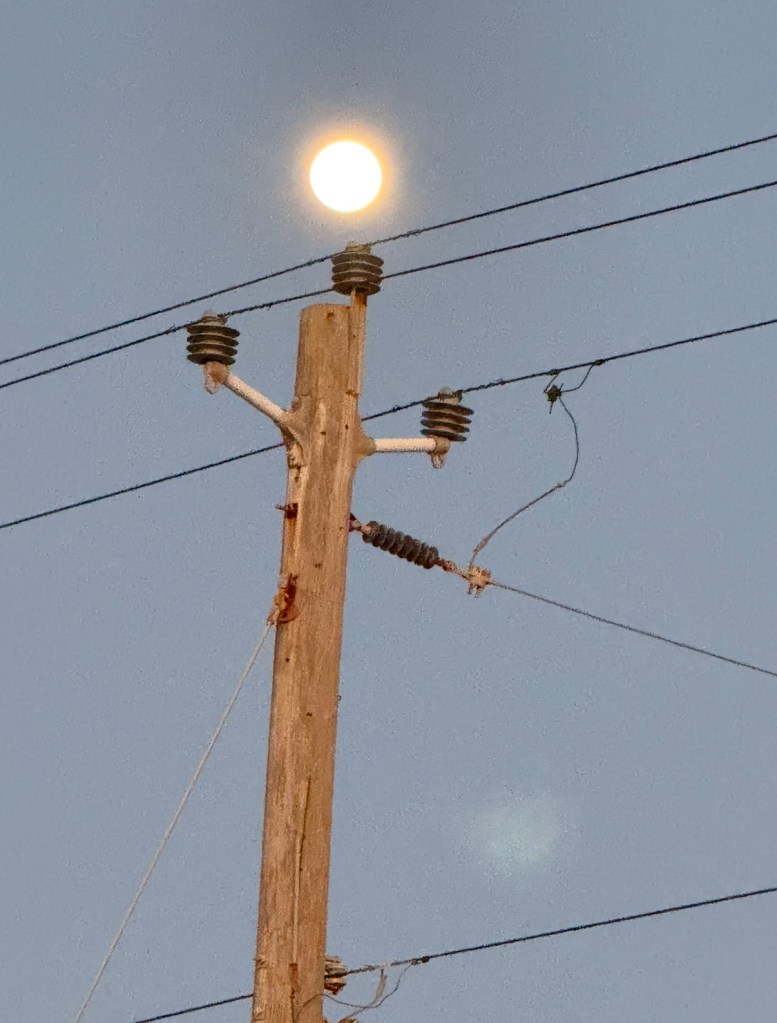
When the body has lived through captivity, it remembers — not as pathology, but as persistence. Through the Incarnational Neurodivergence lens, healing becomes both somatic and sacred: the slow reawakening of trust, breath, and belonging in the places once colonized by fear. By Raya Faith.
It is okay if I am mute through the process.
It is okay if my mind seizes at doctrine
that once was twisted to trap me in the ocean
—
currents of scripture turned into cages.
For now, Real Jesus abides within my cells.
He meets me in the places where words once
broke me.
His presence moves like river — steady, sure,
and alive —
transforming what once felt like spiritual
electrocution,
like a live wire running through my veins,
into the pulse of resurrection.
I no longer drown in holy language.
I rest inside His Living Water —
no longer shocked,
but alive.
Life returning, cell by cell,
breath by breath,
until the body itself becomes testimony.
This is Incarnational Neurodivergence —
where faith meets the nervous system,
and healing becomes a living act of
communion.
With Love,
Raya Faith
Research Coda: Captivity-Informed Healing Framework
This reflection is part of the emerging Captivity-Informed Healing Framework,
rooted in Incarnational Neurodivergence, a survivor-led paradigm
that recognizes faith, body, and cognition as intertwined sites of survival and resurrection.
Where traditional trauma models end at regulation,
captivity-informed healing continues into reclamation —
honoring the nervous system as both archive and altar.
It understands that for survivors of coercive religious and familial systems,
healing cannot be separated from the body’s re-embodiment of safety with the divine.
Here, resurrection is somatic:
doctrine no longer dominates; it integrates.
The Word becomes cellular again,
and the nervous system becomes the temple where communion is restored.
Clinical Note
For clinicians:
This process describes a spiritual–somatic reintegration response following captivity trauma.
The survivor’s use of theological imagery (“spiritual electrocution,” “live wire,” “Living Water,” “river”)
signifies the body’s attempt to reconcile spiritual language that once symbolized harm
with safety and autonomy.
Clinically, this corresponds with a somatic reversal of chronic sympathetic charge —
the nervous system learning that spiritual stimuli no longer signal danger.
Therapeutic containment must remain grounded and non-interpretive;
the clinician’s task is to witness without spiritualizing,
allowing the survivor’s embodied faith to become the primary site of reattachment.
Clinical Note and Scope of Application:
This framework emerges from a single survivor’s lived experience and language. It is offered as a conceptual and compassionate tool for understanding captivity-based trauma across diverse contexts. It may resonate with those who have endured systemic, ancestral, or collective forms of captivity—including Indigenous and colonized peoples—as well as those shaped by toxic family systems or spiritually coercive community dynamics. Its purpose is to provide shared language for reclaiming embodiment, agency, and sacred ground.
Research Note — Captivity-Informed Applications within Incarnational Neurodivergence:
This emerging framework extends from a survivor-led phenomenological account, offering a lens through which captivity-based trauma may be understood as both a neurobiological and spiritual imprint. It invites clinicians and researchers to consider the embodied consequences of prolonged coercive environments—whether systemic, ancestral, or relational—including toxic family systems, religious or spiritual coercion, and other collective captivity structures.
Within the Incarnational Neurodivergence model, these experiences illuminate how the nervous system may internalize both oppression and divine persistence—how the body itself becomes a living archive of survival, faith, and reclamation. This framework aims to expand trauma research beyond pathology, toward a language of embodied resurrection and safe relational repair.
With humility and reverence for all who carry these stories.
Raya Faith
 Raya Faith | The Gentle Rise Survivor Sanctuary